Watercolor Botanical Elements for Illustrations and Digital Products
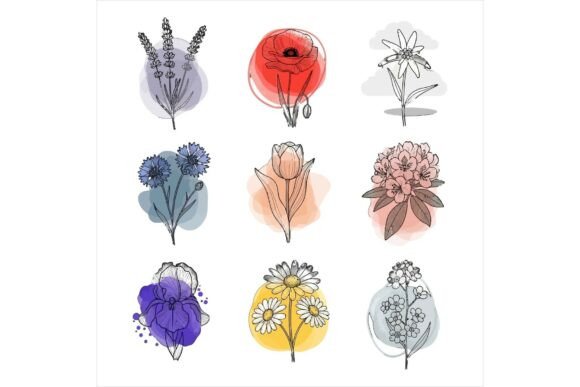
As an experienced digital product creator, I’ve reviewed countless graphic design assets over the years—everything from vector icons to full-page templates. When I first saw Watercolor Botanical Elements, I was drawn in by their soft, organic feel. These illustrations have a quiet elegance that immediately sets them apart from the more rigid or overly stylized designs on the market. If you're looking to add a touch of nature-inspired charm to your commercial projects, this set might just be the right fit.
The Mood and Niche Appeal of Watercolor Botanical Elements
These elements are clearly crafted with a specific aesthetic in mind: delicate, hand-painted botanicals that evoke a sense of calm and creativity. They don’t scream for attention but instead invite the viewer to pause and appreciate the subtle textures and color variations. This kind of visual personality is perfect for sellers targeting niches like handmade businesses, lifestyle bloggers, wedding planners, and those selling wellness-related products.
I can see these illustrations appealing to buyers who value authenticity and artisanal touches. The watercolor style suggests a handmade origin, which many customers associate with quality and intentionality. That said, they’re not limited to any one demographic; the versatility of the design allows it to adapt well to both feminine and unisex markets, especially when paired with the right typography and layout.
Who Might Buy This?
- Etsy sellers creating printable wall art or greeting cards
- Cricut users designing custom planner stickers or scrapbooking kits
- Print-on-demand entrepreneurs making tumbler wraps or tote bag prints
- Canva template creators wanting to enhance social media graphics or blog headers
- Small business owners building brand identity around natural or eco-friendly themes
Testing the Asset Before Publishing
Before integrating Watercolor Botanical Elements into your shop, I recommend doing a few real-world tests. Start by placing them on a variety of backgrounds—white, pastel, and dark—to see how they respond to different color palettes. Their soft edges and muted tones make them less effective on busy or high-contrast layouts, so it's important to understand where they’ll shine versus where they might get lost.
You should also test them across different product formats. For example:
- SVG products: Check if the cut lines are clean and precise, especially if you're using them for Cricut or Silhouette projects.
- PNG designs: Look at the transparency and layering options to ensure they blend well with other graphics or text overlays.
- Printable wall art: Preview how the colors look in print, as digital displays can sometimes misrepresent ink saturation.
- Sublimation designs: Test on fabric swatches or mockups to confirm the illustration’s compatibility with heat-transfer printing.
- Clipart bundles: Make sure each element is isolated and scalable for easy use in multiple contexts.
If you're planning to sell these as part of a digital download or Canva template, organize the files clearly and consider including usage notes for clarity. Customers appreciate knowing what they can do with the asset—especially if it involves commercial applications.
Where Watercolor Botanical Elements Shine
One of the strongest points of this asset is its ability to elevate simple layouts into something visually rich without overwhelming the viewer. Here are some ideal use cases:
- T-shirt graphics: Pair them with minimalist text and soft hues for a stylish, nature-themed design.
- Greeting cards: Use them to create seasonal or holiday cards with a personal, artistic touch.
- Mug and tumbler wraps: Their gentle curves and organic shapes work beautifully on ceramic surfaces.
- Planner stickers: Ideal for decorative accents or page dividers in bullet journals or planners.
- Nursery prints: The serene visuals make them a great fit for baby-themed or children’s room decor.
- Brand identity assets: Incorporate them into logos, packaging design, or website headers for a cohesive, natural theme.
- Digital paper packs: Layer them subtly for texture in background papers or collage templates.
- Social media templates: Use them to frame quotes, blog posts, or promotional content with a soft, inviting backdrop.
For creative marketplace listings like Etsy or Creative Fabrica, these elements can help build visual hierarchy and guide the customer’s eye toward key details. Their presence adds perceived value, suggesting thoughtfulness and professionalism—two traits that can significantly boost click-through rates and conversions.
When to Use Them Carefully
While Watercolor Botanical Elements are undeniably beautiful, there are scenarios where they may not perform as well. For instance, if you're working on tiny sticker details, the intricate brushstrokes could become too fine to handle effectively. Similarly, in complex layouts where dozens of elements are layered together, these botanicals might lose their individuality and appear cluttered.
They also need careful placement on dark backgrounds. Because of their light, translucent nature, they can struggle to stand out unless contrast is managed properly. Avoid using them in text-heavy templates where legibility is critical. Instead, reserve them for areas where they can serve as accents or decorative flourishes.
Another thing to note is file resolution. Always confirm the PNGs are high enough for print-on-demand platforms. If the SVGs will be used for cutting (like with Cricut), inspect the paths for accuracy and smoothness. A minor glitch in the line art could lead to production issues down the line.
Best Practices for Using These Elements
- Test the design on actual product mockups before publishing listings. This helps avoid surprises in how the illustration translates to physical goods.
- Preview thumbnails for Etsy or Shopify to ensure they look clear and attractive even at small sizes.
- Check how the elements pair with different font styles—serif fonts often complement botanical designs, while sans-serif or display fonts can modernize the look.
- Use them sparingly in digital downloads or templates to maintain clarity and focus.
- Confirm that the commercial license includes all intended uses, especially if you plan to resell finished products.
Creating Seasonal and Themed Collections
One of the most practical ways to leverage Watercolor Botanical Elements is through themed collections. For example, you could create a springtime bundle featuring floral borders, leafy accents, and butterfly motifs. Or a cozy autumn collection with fallen leaves, berries, and tree silhouettes.
These kinds of bundles are highly marketable. You can pair them with other assets like pattern brushes, text elements, or background textures to offer a complete toolkit for customers. On platforms like Etsy or Creative Fabrica, a well-thought-out design bundle can increase your average order value and improve your visibility in search results.
For print-on-demand shops, seasonal collections allow you to refresh your inventory quickly and efficiently. Whether it's a Mother's Day card or a Father's Day mug, these illustrations can help you tap into timely trends with minimal effort.
Design Tips for Brand Consistency
If you're running a handmade business or trying to build a consistent brand identity, these botanical illustrations can act as recurring motifs across your product range. Think about using them in:
- Email newsletter headers
- Product packaging inserts
- Instagram post backgrounds
- Bulk digital product offerings
Using the same botanical motif across multiple items creates a unified look, reinforcing your brand in the minds of your audience. It also makes your shop more recognizable in a crowded marketplace.
Final Thoughts for Sellers
Overall, Watercolor Botanical Elements offer a lot of potential for digital product creators. They’re versatile, visually pleasing, and capable of adding a professional touch to a wide range of items—from SVG-based Cricut projects to commercial design assets for resale. However, like any graphic design tool, their effectiveness depends on how they're used.
Take the time to evaluate how they perform in your target environments. Do they hold up under print? Are they sharp enough for cutting machines? How do they look on your preferred mockup styles? These are all essential questions to ask before listing anything for sale.
With the right approach, Watercolor Botanical Elements can become a valuable addition to your creative arsenal. Just remember to balance beauty with functionality, and always prioritize the needs of your end customer.