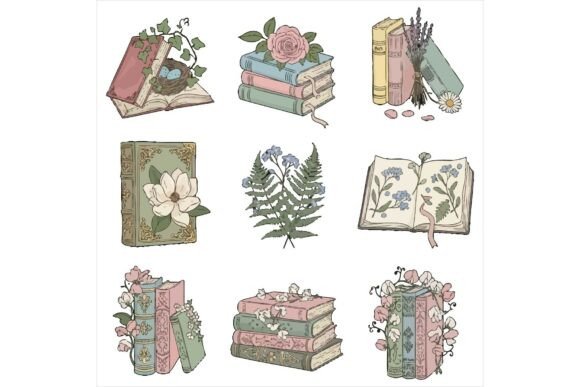
Vintage Book Illustrations with Floral: A Timeless Graphic Design Asset
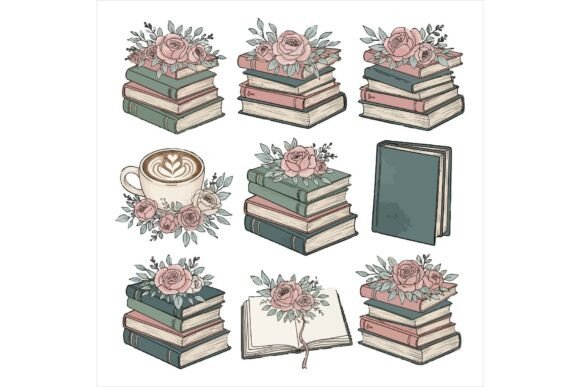
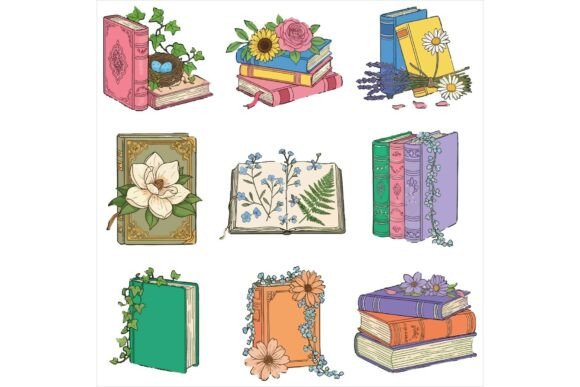
As an experienced blog designer and digital publisher, I recently reviewed the Vintage Book Illustrations with Floral design asset for potential use in a variety of content publishing scenarios. These illustrations bring a rich visual texture that’s both nostalgic and elegant, making them ideal for bloggers, website owners, and creative entrepreneurs who want to elevate their content without veering into overly modern or minimalist territory.
Eliciting an Editorial Mood with Visual Depth
The first thing that struck me about these vintage book illustrations is their ability to create a warm, inviting editorial mood. The floral elements add a softness and artistry that naturally supports niches like lifestyle, literature, wellness, and even educational content. They feel slightly feminine and artistic, but not childish or over-the-top — a delicate balance that many design assets fail to achieve.
These illustrations can subtly influence reader perception by evoking a sense of tradition and care. Whether used as background textures or standalone visuals, they suggest curated content, which can boost reader trust. This is especially valuable in content marketing and affiliate marketing, where credibility plays a big role in conversion rates.
Visual Communication That Speaks Volumes
One of the most powerful aspects of Vintage Book Illustrations with Floral is how well they communicate tone through imagery alone. In a world where readers skim before they read, having visuals that immediately set the right mood is essential. These illustrations work particularly well in niche areas like book reviews, literary blogs, or even seasonal guides focused on self-care and mindfulness.
They support storytelling in a way that feels organic. Imagine using one in a blog post titled “5 Books to Read Before Spring” — the illustration would enhance the message, creating a cohesive theme between the text and the visual. It's the kind of graphic design asset that doesn’t just look good; it adds meaning and context.
Real Publishing Applications for Content Creators
Here are some practical ways I’ve considered using these illustrations in real publishing workflows:
- Blog Featured Images: These illustrations provide a strong first impression when paired with compelling headlines. Their ornate details make them stand out in search results and feed previews.
- Pinterest Graphics: With their intricate patterns and vintage charm, they’re perfect for Pinterest pins targeting audiences interested in aesthetics, reading, and home decor.
- Article Headers & Website Banners: When used in headers or banners, they help establish a consistent brand identity across your site. Just be sure to balance the detail with clear typography for readability.
- Editorial Layouts: Adding subtle floral accents to page dividers or sidebar graphics can give your layout a more handcrafted, personal touch — especially useful in long-form content or digital magazines.
- Newsletter Banners: A newsletter header featuring these illustrations can instantly elevate the perceived quality of your email campaigns, reinforcing your brand’s visual identity and professionalism.
- Lead Magnets & Digital Guides: Use them in worksheets, eBook covers, or printable templates to make your downloadable resources more appealing and trustworthy.
- Social Media Previews: They serve beautifully as Instagram story headers or Facebook cover photos for blogs with a literary or lifestyle focus.
- Canva Templates: If you're building custom Canva templates for clients or your own content, these illustrations offer a unique design element that stands apart from generic stock images.
Boosting Content Performance with Strategic Use
Integrating Vintage Book Illustrations with Floral into your content strategy can have measurable benefits. For instance, they improve the first impression of your pages by offering a polished and engaging visual anchor. On platforms like Pinterest or social media, this means better click-through potential due to increased visual appeal.
They also contribute to visual hierarchy when layered behind key text elements. The floral patterns guide the eye gently toward the main message without overwhelming it. Additionally, these illustrations can unify your brand across different content formats, helping to build a stronger visual identity and increase recognition among your audience.
Where These Illustrations Shine Brightest
Some of the best places to implement Vintage Book Illustrations with Floral include:
- Hero Images: Create a striking entrance to your blog or landing page by incorporating these illustrations into hero sections.
- Article Thumbnails: Use them as thumbnails for posts that align with their aesthetic — such as book lists, poetry, or nature-inspired content.
- Pinterest Pins: Pair them with bold, clean typography to create shareable, high-quality pins that stand out in crowded feeds.
- Content Upgrades: Add them to opt-in forms or lead magnets to signal value and attention to detail.
- Digital Product Assets: Whether designing a printable gratitude journal or a downloadable planner, these illustrations lend a refined, hand-crafted feel.
- Category Visuals: Use them as recurring design elements in category pages to reinforce thematic consistency and aid in category recognition.
- Newsletter Headers: Bring a touch of elegance to your newsletters and differentiate your brand from others using stock images or flat design.
Where Caution Is Advised
While these illustrations are visually rich, there are situations where they may not perform optimally:
- Small Mobile Thumbnails: The detailed nature of these illustrations might become cluttered when scaled down for mobile views.
- Text-Heavy Blog Images: Avoid placing them behind large blocks of text unless contrast and legibility are carefully managed.
- Low-Contrast Backgrounds: Be mindful of color combinations that reduce visibility, especially if your site uses muted tones or white space generously.
- BUSY LAYOUTS: In layouts already packed with icons, buttons, or other graphics, these illustrations could distract rather than enhance the user experience.
- Serious Professional Niches: Industries like finance, legal, or corporate training may find the floral motifs too whimsical for their branding needs.
- Corporate Content Pages: Unless your brand specifically embraces a retro or artisanal vibe, these illustrations may clash with more formal visual systems.
Practical Tips for Using Vintage Book Illustrations with Floral
To ensure these illustrations work effectively in your projects, here are a few publisher notes based on my experience:
- Test on Desktop and Mobile Screens: Check how the design holds up across devices. You may need to simplify or adjust opacity for smaller screens.
- Check Thumbnail Quality: Preview the image as a thumbnail to see if the essence of the illustration still shines through at reduced sizes.
- Place Beside Different Fonts: Try pairing them with serif fonts for a classic feel, sans serif for a cleaner contrast, or script/handwritten fonts for a harmonious vintage look.
- Review File Size: High-detail illustrations can be heavy. Compress them properly to maintain fast web performance without sacrificing quality.
- Try in Black and White: Some versions of these illustrations translate beautifully into grayscale, which can be useful for printables or monochrome brand guidelines.
- Confirm Commercial Licensing: Always verify that the commercial license allows use in monetized contexts like affiliate websites, paid digital downloads, or sponsored content.
Final Thoughts on Branding and Content Value
In summary, Vintage Book Illustrations with Floral offer a versatile and expressive option for enhancing your blog graphics and editorial design. They’re particularly effective in niches that lean into storytelling, tradition, and creativity. Whether you're designing a website header, crafting social media graphics, or developing a digital product, these illustrations can add depth and character to your content.
However, it's important to approach their integration thoughtfully. Test them within your existing web design framework, consider your audience’s expectations, and always prioritize clarity and accessibility. Used correctly, they can transform your content pages from basic to beautiful — giving your brand identity a more cohesive and professional look while maintaining a human, artistic feel.
If you're looking for a graphic design asset that blends nostalgia with modern usability, Vintage Book Illustrations with Floral is definitely worth exploring in your next project.