Ancient Roman Illustrations and Statues for Embroidery
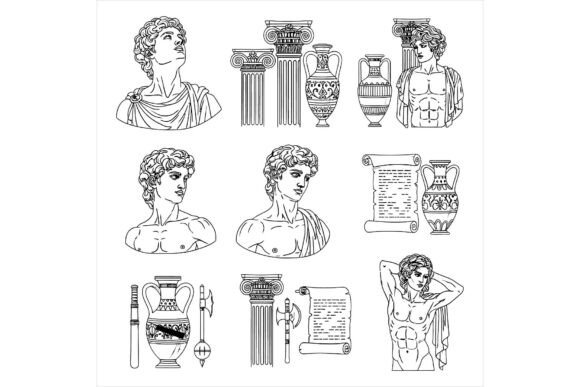
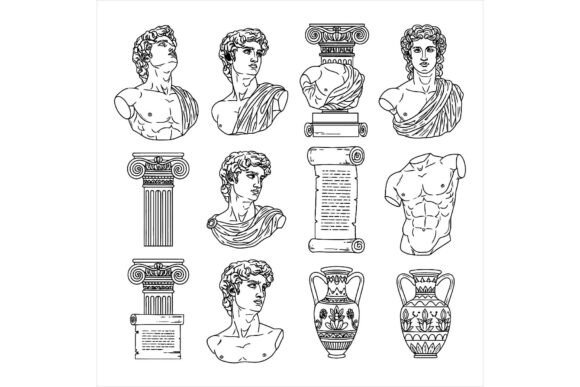
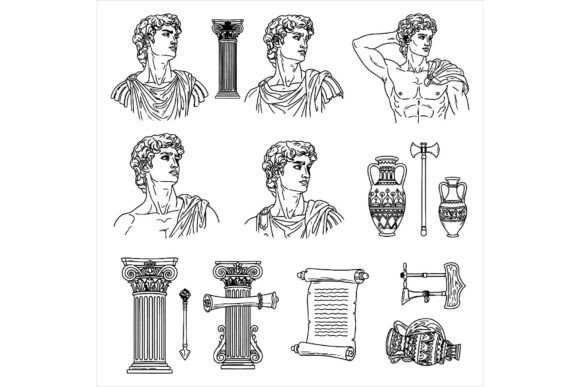
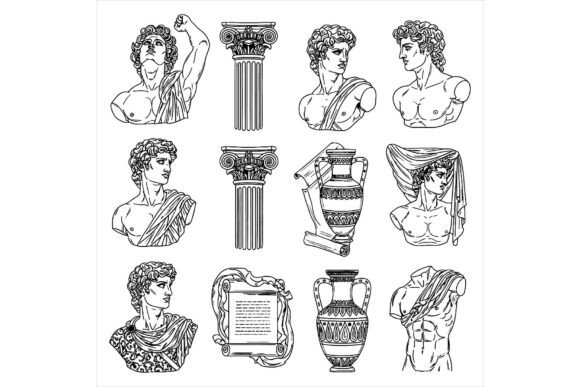
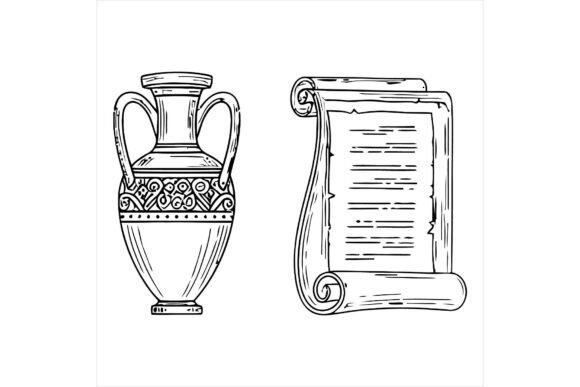
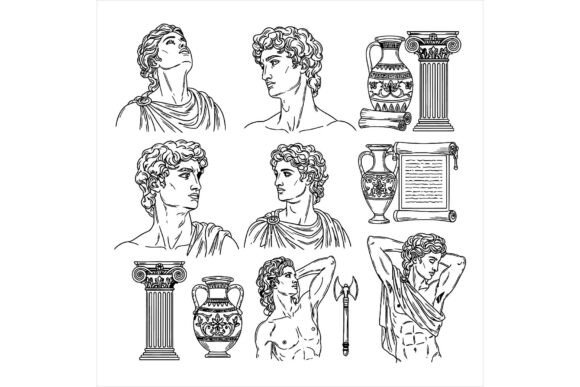
When I first opened the Ancient Roman Illustrations and Statues embroidery design, I was struck by its visual weight and historical flair. This isn’t a delicate floral or minimalist line drawing—it’s bold, intricate, and rich in detail. The illustrations capture the grandeur of Roman architecture, mythological figures, and classical motifs with a sense of timelessness that immediately stood out. As an experienced designer, I could see how this would work well in both custom apparel and boutique merchandise, but it also demands careful consideration depending on the project.
First Impressions: A Touch of Grandeur
The Ancient Roman Illustrations and Statues set has a distinct personality. It feels like stepping into a museum—each design is full of texture and depth, reminiscent of marble carvings and frescoes. The layout of each illustration is balanced yet dynamic, with elements that draw the eye across the piece. For someone looking to add a bit of sophistication or cultural richness to their handmade products, these designs are a strong candidate.
However, the level of detail means they aren’t suited for every surface or fabric type. They require a stable base and enough space to breathe. I can already picture them stitched onto a high-quality sweatshirt as a statement design, or subtly placed along the edge of a tote bag for a refined touch. But on something stretchy or small like a baby hat, they might lose their impact or become distorted.
Where This Design Shines
- Tote Bag Design: The scale and intricacy of the illustrations make them ideal for larger surfaces. When paired with a simple font or minimal text, they create a luxurious look perfect for artisanal bags.
- Sweatshirt Embroidery: These designs bring a dramatic element to casual wear. They’re especially effective on the chest or back, where there’s room for the details to show off.
- Custom Apparel for Boutique Brands: The classic aesthetic fits well with brands that emphasize timeless style or history-inspired fashion. It adds a layer of professionalism and uniqueness to your finished product.
- Printable Mockups and Digital Product Previews: If you're an Etsy seller or digital product creator, these designs look stunning in mockups. Their visual depth helps buyers imagine how the final embroidered item will appear before purchase.
- Holiday Gifts and Wedding Accessories: Think engraved frames, decorative patches, or even embroidered coasters. The design’s regal feel makes it suitable for special occasions and meaningful gifts.
Real-World Performance: Stitching Clarity and Presentation
I tested the Ancient Roman Illustrations and Statues on a medium-weight cotton blend fabric using standard thread colors. The results were impressive—the stitch density maintained the fine lines and shading without becoming too stiff or lumpy. However, I noticed that some of the more detailed areas required extra stabilizer to prevent puckering. This is crucial for any embroidery project aiming for a clean, professional finish.
The use of satin stitch around key features gives the design a polished look, while fill stitch techniques help differentiate between stone textures and metallic accents. That said, if you plan to use this design on thin or stretchy materials, consider simplifying certain parts or adjusting the stitch count manually to avoid distortion.
Customer Reactions and Market Appeal
As a reviewer who frequently tests designs for Etsy sellers and craft business owners, I know that buyer engagement hinges on the design’s ability to stand out. Ancient Roman Illustrations and Statues do just that—they evoke a sense of heritage and craftsmanship that many customers find appealing, especially those shopping for personalized gifts or unique home decor.
One thing I appreciate is how the design maintains clarity even after repeated washing. Of course, this depends heavily on fabric choice and proper stabilization, but when done right, the handmade product retains its charm and visual appeal. This is important for items like aprons, tea towels, or nursery decor, which often face frequent use.
Where Caution Is Needed
While these designs are beautiful, they come with a few limitations. For example:
- Small Hoop Sizes: The complexity of the illustrations means they may not fit within smaller hoops without significant scaling, which can compromise detail.
- Textured Fabrics: On denim or canvas, the design holds up well. But on flannel or corduroy, the texture can obscure finer lines and reduce visual clarity.
- Curved Surfaces: Embroidering this design on a curved surface like a cap or sleeve requires manual adjustments to ensure alignment and readability.
- Dense Stitch Areas: Some illustrations include dense clusters of stitches. While visually striking, these areas may cause stiffness unless you balance them with open sections or lighter stitching.
If you’re planning to use this design on a custom apparel line or for commercial embroidery, be sure to test it thoroughly. I recommend running through a few trial pieces on different fabrics and in various placements to get a clear idea of how it performs under real conditions.
Designer Notes for Best Results
- Test on Scrap Fabric First: Especially if you’re new to the design or using unfamiliar materials.
- Check Thread Color Contrast: Darker threads pop against light backgrounds, but lighter threads may fade on darker fabrics. Consider black-and-white mockups before choosing final colors.
- Review Stitch Density: Dense areas may need adjustment to suit your machine and fabric combination.
- Confirm Hoop Size: Make sure your hoop can accommodate the entire design without stretching or distorting.
- Inspect Small Details: Zoom in on the digital embroidery file to ensure all fine lines and corners are intact and won’t disappear during stitching.
- Use Proper Stabilizer: Especially for thin or stretchy materials. A tear-away or cut-away stabilizer can make a big difference in stitch quality.
- Verify Licensing: Before selling finished products or design assets, always check the licensing terms included with the design package.
Design Value and Brand Consistency
For a craft business or small shop product, the Ancient Roman Illustrations and Statues offer a compelling way to elevate your brand identity. Their classic motifs can tie together a collection of items, from embroidered pillows to custom aprons, creating a cohesive theme that resonates with customers seeking artisanal, high-quality goods.
These designs also enhance the perceived value of your handmade product. Customers notice the effort and artistry behind such detailed work, which builds trust and increases the likelihood of repeat purchases. Whether you're an apparel decorator or Embroidery Designer, incorporating these visuals into your offerings can give your inventory a competitive edge.
Giftability and Recognition
One of the strongest aspects of the Ancient Roman Illustrations and Statues is their giftability. They lend themselves well to personalized items like holiday cards, custom blankets, or even decorative wall art. Because of their recognizable style, these designs can also serve as branding elements—think embroidered patches for a boutique or labels for a handmade line.
What I found particularly useful was how the design adapts to different contexts. For instance, using it as an applique design on a pillow cover gives it a dimensional feel, whereas placing it on a kitchen towel keeps it subtle yet elegant. Either way, the embroidery file remains versatile, provided you adjust placement and scale accordingly.
Final Thoughts: Practical Elegance in Every Stitch
The Ancient Roman Illustrations and Statues are more than just pretty pictures—they’re a powerful addition to your embroidery project toolkit. They bring character, depth, and a touch of antiquity to modern creations, making them ideal for holiday embroidery, nursery decor, or commercial embroidery projects that demand attention to detail.
But remember, elegance doesn’t mean ease. You’ll want to take the time to understand how these designs behave with your specific setup. Adjust stitch types, manage density, and choose the right fabric and stabilizer. Once you’ve done that, though, you’ll have a finished product that speaks volumes about your skill and care.
So, if you're an embroidery designer, creative entrepreneur, or handmade shop owner looking to expand your design palette, consider giving these illustrations a try. Just approach them with a bit of strategy and a lot of respect for the detail they contain. Your customers—and your craft—will thank you for it.